
 Stihl
StihlFilter by Power Type or Availability
Forestry & Arborist Helmets
Forestry and arborist helmets bring head, face and hearing protection into one practical setup for chainsaw work, strimming, hedge cutting and clearance jobs. They’re designed to handle flying debris, sustained noise, and the day-to-day wear that comes with outdoor machine use.
This range includes complete helmet sets, vented options for long sessions, climbing-focused designs, and replacement accessories to keep your protection comfortable, secure, and usable over time.
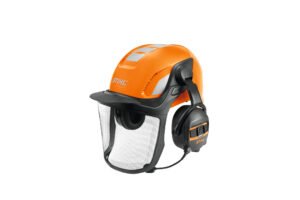
£407.10 INC VAT
Save £35.40
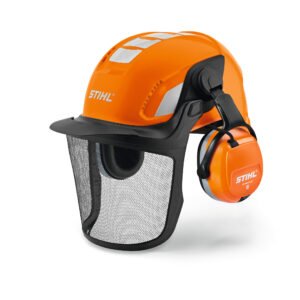
£175.73 INC VAT
Save £15.27
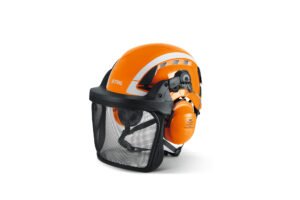
£153.65 INC VAT
Save £13.35
£118.68 INC VAT
Save £10.32
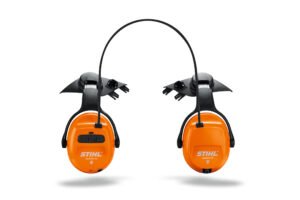
£106.72 INC VAT
Save £9.28
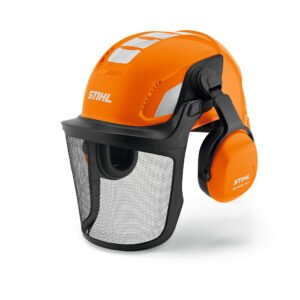
£100.28 INC VAT
Save £8.72
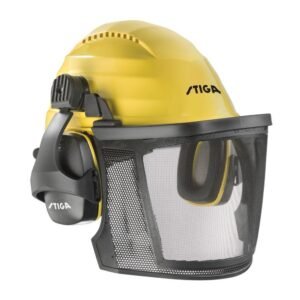
£93.56 INC VAT
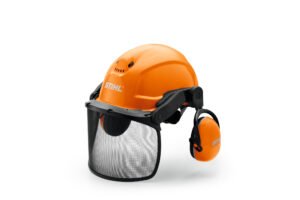
£80.95 INC VAT
Save £7.05

£65.33 INC VAT
Save £5.67

£39.47 INC VAT
Save £3.43
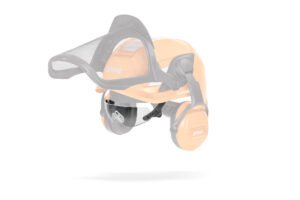
From £14.29 INC VAT
Save up to £1.39

£15.28 INC VAT
Save £1.32
Choosing the Right Helmet for Outdoor Machine Work
A good helmet should feel stable, comfortable, and easy to wear for long periods. When you’re working with chainsaws or clearance equipment, head protection only works properly if the fit is secure and the visor and ear defenders stay usable throughout the job.
Different helmet styles suit different work, from ground-based cutting to climbing use, with options that focus on ventilation, comfort, and integrated protection rather than just basic compliance.
Helmet Sets Built for Chainsaw and Clearance Work
Forestry helmets are one of the most practical pieces of PPE for outdoor machine use. They combine head protection with face and hearing coverage in a single setup, helping you stay protected from debris, sustained noise, and the knocks that come with working around timber and machinery.
This category includes complete helmet sets and accessories designed for regular use in forestry, arborist, and grounds maintenance work.
What These Helmets Are Made For
Helmet systems are designed for jobs where face and hearing protection are needed alongside head protection, including:
- Chainsaw cutting where chips and noise are constant
- Hedge cutting and clearance work with flying debris
- Brushcutting where impact fragments are heavier
- Arborist work where secure fit matters overhead
Key Features Buyers Should Pay Attention To
Ventilation and Long-Wear Comfort
Heat build-up is one of the main reasons helmets get taken off mid-job. Vented designs and higher-comfort ranges are aimed at regular users who need protection they can wear for hours without fatigue.
Visor Type and Visibility
Visors are chosen based on working conditions. Clear visors offer strong coverage and visibility, while mesh options improve airflow and reduce fogging. Over time, visors scratch and wear, so replaceable components are an important part of helmet ownership.
Ear Defender Fit and Seal
Hearing protection is only effective if it seals properly and stays comfortable. Better helmet sets focus on padding, adjustment, and wearability, especially when used with glasses or over long sessions.
Ground Work vs Climbing Use
Some helmet designs are better suited to climbing and arborist movement, while others are built around heavier ground-based cutting and clearance work. Choosing the right style helps ensure stability and comfort in your working position.
Communication and Integrated Extras
Some users prefer helmet setups with communication or Bluetooth features for team working or long days where removing protection to take calls isn’t practical. These are usually best suited to frequent professional use rather than occasional cutting.
Accessories and Replacement Parts
Helmet systems aren’t one-and-done purchases. Regular users often replace components over time, including:
- Visors and mesh shields as they scratch or wear
- Ear pads for comfort and hygiene
- Chin straps for stability in climbing or rough work
- Rain protection and integrated eye protection add-ons
What to Consider Before Buying
- Fit is critical: a helmet that shifts won’t get worn properly
- Comfort matters: long sessions demand ventilation and good adjustment
- Choose the visor for the job: airflow vs fine debris protection
- Expect upkeep: visors and pads wear out with real use
The best helmet is the one that stays comfortable, stays secure, and keeps you protected through the full working day.
Support, Advice and Aftercare from Suffolk Mowers
Choosing a helmet isn’t just about picking the first set on the shelf. Fit, ventilation, visor type and hearing comfort all make a difference once you’re wearing it for hours at a time. Suffolk Mowers can help you choose a helmet setup that suits the work you’re doing and the conditions you’re working in.
We stock trusted forestry and arborist helmet systems along with the accessories and replacement parts needed to keep them usable over time. Whether you’re upgrading for regular use or replacing worn components, you’ll get straightforward dealer support and aftercare.