
 Stihl
StihlPersonal Protective Equipment for Gardening, Forestry and Landscaping
Personal protective equipment is where sensible machine use starts. Whether you’re running a chainsaw, clearing with a brushcutter, or spending long days cutting and tidying, the right PPE isn’t an extra — it’s what keeps the job comfortable, compliant, and safe.
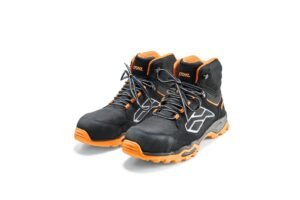
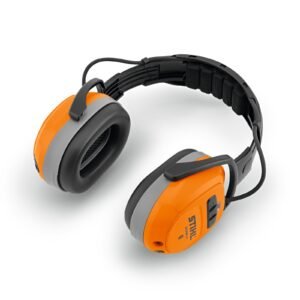
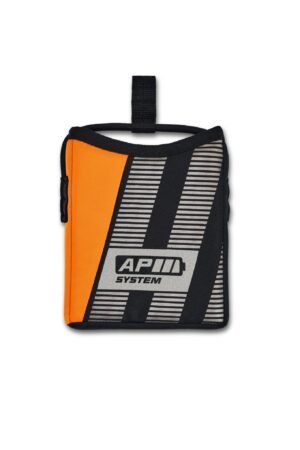
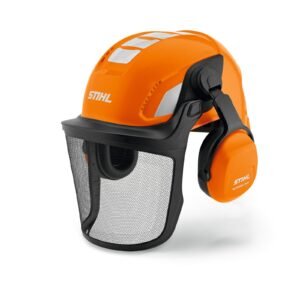
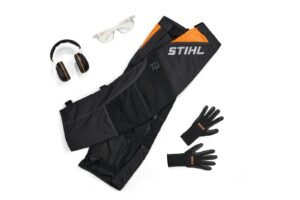
You’ll find chainsaw boots and trousers, helmet and visor sets, ear and face protection, gloves, jackets, and harness systems built for proper outdoor work. It’s gear made to handle noise, flying debris, wet ground, and hard wear — the sort of kit you rely on, not replace every season.



Why Choose PPE from Suffolk Mowers?
If you’re buying PPE properly, it’s usually because you know what the job demands. Chainsaw work, strimming, hedge cutting and clearance all come with their own risks, and the right protection makes a big difference to how confidently and comfortably you can work.
At Suffolk Mowers we stock PPE that’s chosen for real use — not overcomplicated, not flashy, just equipment that fits well, meets the right standards, and holds up over time. Whether you need a full setup or you’re replacing worn kit, you’ll find the essentials here.
Personal Protective Equipment for Serious Outdoor Work
PPE isn’t something you buy for show — it’s what makes machine work practical day after day. The right kit protects you from the obvious risks, but it also helps with the less talked-about realities: noise fatigue, flying debris, wet ground, restricted movement, and discomfort over long sessions.
This range is built around the equipment people actually use with garden and forestry machinery, from occasional chainsaw users through to regular professional work.
What This PPE Range Is Made For
The products here are designed for hands-on jobs where tools and conditions demand proper protection, including:
- Chainsaw cutting and logging
- Strimming and brushcutting in rough ground
- Hedge cutting and clearance work
- General outdoor maintenance in wet, cold, or abrasive conditions
Different tasks need different protection, which is why the range is split into clear areas like trousers, boots, helmets, gloves, and harness systems.
What It’s Genuinely Good At
Chainsaw Protection Where It Matters
Chainsaw PPE is one of the most specific parts of this category. Trousers and boots are designed around recognised safety standards, with protection focused on the areas most at risk during use.
Buyers usually choose based on the balance between:
- Protection class and compliance
- Comfort and breathability
- Weight and freedom of movement
- Durability in hard wear areas
More protection often means more bulk and heat, so it’s worth matching the kit to how often you’re actually cutting.
Helmet, Face and Ear Protection for Daily Use
For many jobs, head, face and hearing protection is what makes the work manageable. Integrated helmet sets with visors and ear defenders are popular because they’re simple, consistent, and reduce the need to piece together separate items.
This is especially relevant for:
- Chainsaw work where chips and noise are constant
- Strimming and brushcutting where debris is unpredictable
- Long sessions where comfort and fit matter as much as protection
Work Gloves That Suit the Job, Not Just the Label
Gloves are often bought last, but they make a big difference to grip, control, and comfort. Some are aimed at abrasion and weather protection, others at reducing fatigue over long use.
The key is choosing gloves that match what you’re doing — not assuming one pair covers every tool and task.
Jackets, Shirts and Trousers Built for Movement
Good workwear isn’t about looking the part. It’s about staying mobile, staying comfortable, and avoiding kit that catches, overheats, or wears through too quickly.
Higher-grade ranges within a brand typically focus on:
- Better venting and lighter wear
- Reinforced knees, elbows and contact points
- More practical pocket layouts for working hands
- Improved fit when bending, lifting, or climbing terrain
Operational Realities Buyers Should Think About
PPE choices are rarely just about safety ratings — they’re about how the kit behaves in real working conditions.
- Heat and bulk: higher protection can mean heavier wear, especially in summer
- Fogging and visibility: visors and glasses need to work in damp conditions
- Fit over long sessions: ear defenders, boots and waist fittings need to stay comfortable
- Wet ground use: footwear choice matters as much as the saw itself
- Task-specific protection: brushcutting wear is not the same as chainsaw wear
The right setup is the one you’ll actually wear properly — not the one that looks best on a shelf.
Support, Advice and Aftercare from Suffolk Mowers
Buying PPE isn’t always straightforward, especially when you’re trying to match protection classes, helmet setups, or the right kit for a specific machine. If you’re unsure what you need, Suffolk Mowers can help you choose equipment that makes sense for the work you’re doing.
We stock PPE that’s suited to real outdoor use, with access to the wider parts and support you’d expect from an established dealer. From replacement visors and ear defenders through to ongoing servicing and warranty-backed machinery support, we’re here for more than just the initial sale.