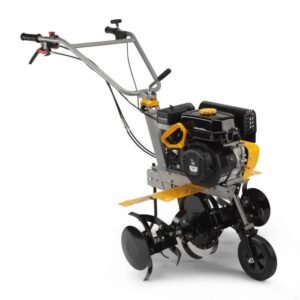
Stiga Rotary Tillers

Stiga rotary tillers are petrol-powered machines designed for preparing soil before planting. They break up compact ground, mix organic matter into the soil, and help create workable planting beds for vegetables and garden borders. The range includes compact tillers for smaller garden plots as well as larger machines suited to regular soil cultivation in vegetable gardens and allotments.

We stock 607 Stiga products

Availability
Power Type

Petrol Tillers for Soil Preparation and Cultivation

Stiga rotary tillers are designed to make soil preparation faster and less labour-intensive than digging by hand. Using rotating tines, these machines break up compact soil, loosen planting areas, and help mix compost or organic matter into the ground before planting.

The Stiga range focuses on petrol-powered tillers, which provide the torque needed to work through tougher soil and larger cultivation areas. This makes them useful for vegetable gardens, allotments, and regular soil preparation where consistent digging performance is required.

Understanding the Stiga Rotary Tiller Range

Stiga rotary tillers are designed for cultivating soil before planting and maintaining vegetable gardens or growing areas. By using rotating tines to break up the ground, these machines loosen compact soil and prepare it for planting, helping gardeners create workable beds for vegetables, flowers, and other plants.

Compact Garden Tillers

Machines such as the Stiga SRC 36 V are designed for smaller cultivation tasks. These compact tillers are well suited to raised beds, smaller garden plots, and light soil preparation where manoeuvrability and ease of handling are important.

Mid-Range Rotary Tillers

Models including the SRC 585 RG and SRC 685 RG provide more cultivation capacity for regular garden work. These machines are commonly used for preparing vegetable beds, mixing compost into the soil, and maintaining larger planting areas where more digging power is useful.

Larger Soil Cultivation Machines

The Stiga SRC 775 RG sits at the larger end of the range and is designed for heavier soil preparation or larger garden plots. Machines in this category are often used where deeper soil cultivation is required or where the ground is worked regularly throughout the growing season.

Typical Uses for Rotary Tillers

  • Preparing vegetable beds before planting.
  • Breaking up compact soil in garden plots.
  • Mixing compost or fertiliser into the soil.
  • Maintaining allotments and larger planting areas.

You can also explore the wider Stiga garden machinery range to see other equipment designed to support garden and lawn maintenance.

Support from Suffolk Mowers

Choosing the right rotary tiller depends on the size of the area you want to cultivate and how regularly you prepare soil for planting. At Suffolk Mowers we stock Stiga rotary tillers designed for everything from smaller garden beds to larger vegetable plots and allotments.

If you're unsure which machine best suits your garden, we can help you compare the available Stiga tillers and choose a model that matches your soil conditions and cultivation needs. We also supply genuine Stiga parts and accessories to help keep your tiller working reliably.

Frequently Asked Questions About Stiga Rotary Tillers

Stiga rotary tillers are used to cultivate soil before planting. The rotating tines break up compact ground, loosen soil, and help mix compost or fertiliser into planting beds for vegetables, flowers, and garden borders.
Yes. The Stiga rotary tiller range uses petrol engines designed to provide the power needed for soil cultivation. Petrol machines are commonly chosen because they can handle tougher soil and larger garden areas.
Yes. Rotary tillers are often used to prepare vegetable beds by loosening soil and mixing organic matter into the ground before planting. They are commonly used in vegetable gardens and allotments.
Rotary tillers are designed to break up compact soil using rotating tines. Very hard ground may require several passes, but tillers can significantly reduce the effort needed compared with digging by hand.
This site uses cookies to offer you a better browsing experience. By browsing this website, you agree to our use of cookies.